
The Unbroken Circle
The Unbroken Circle. What Holds Us Together When Life Pulls Us Apart
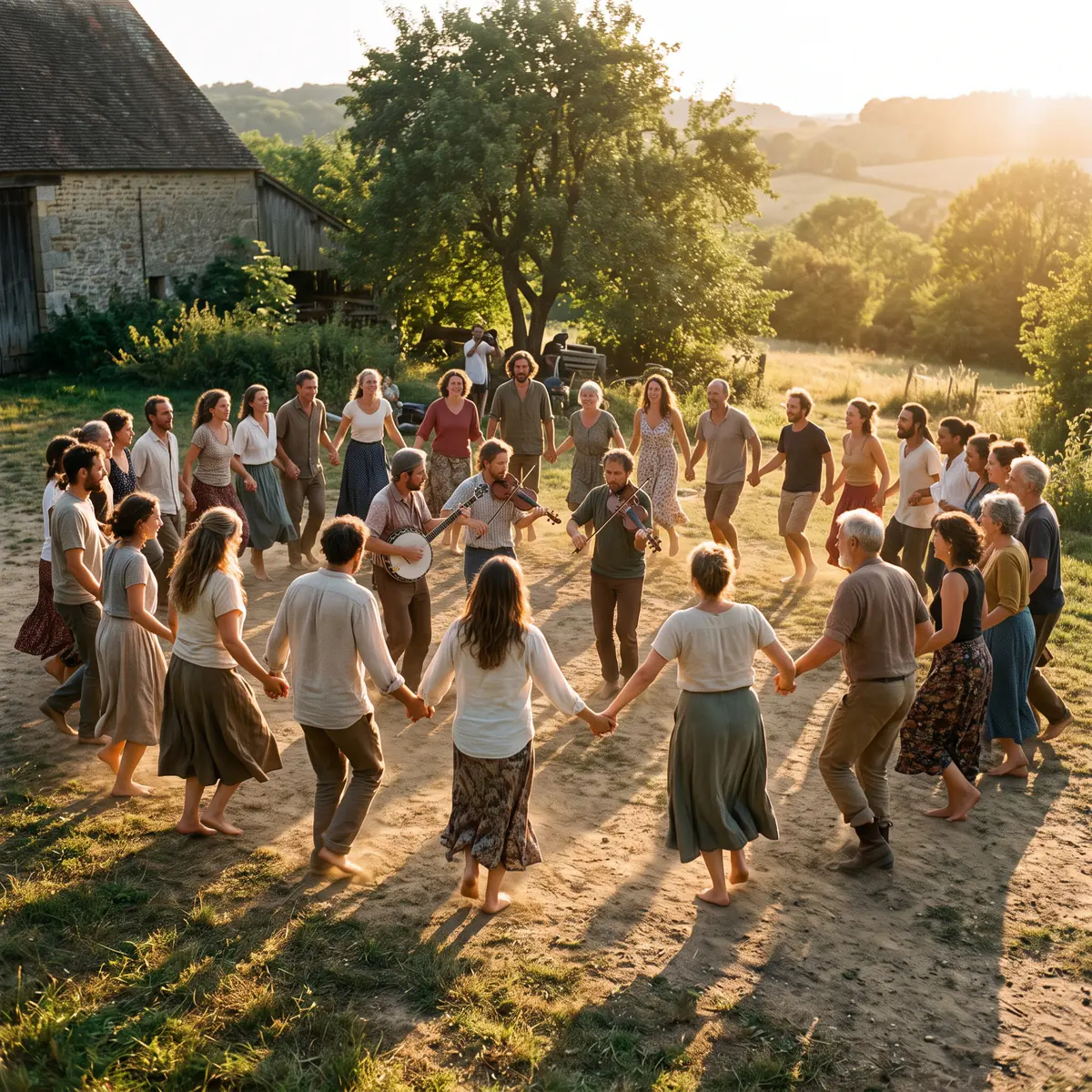
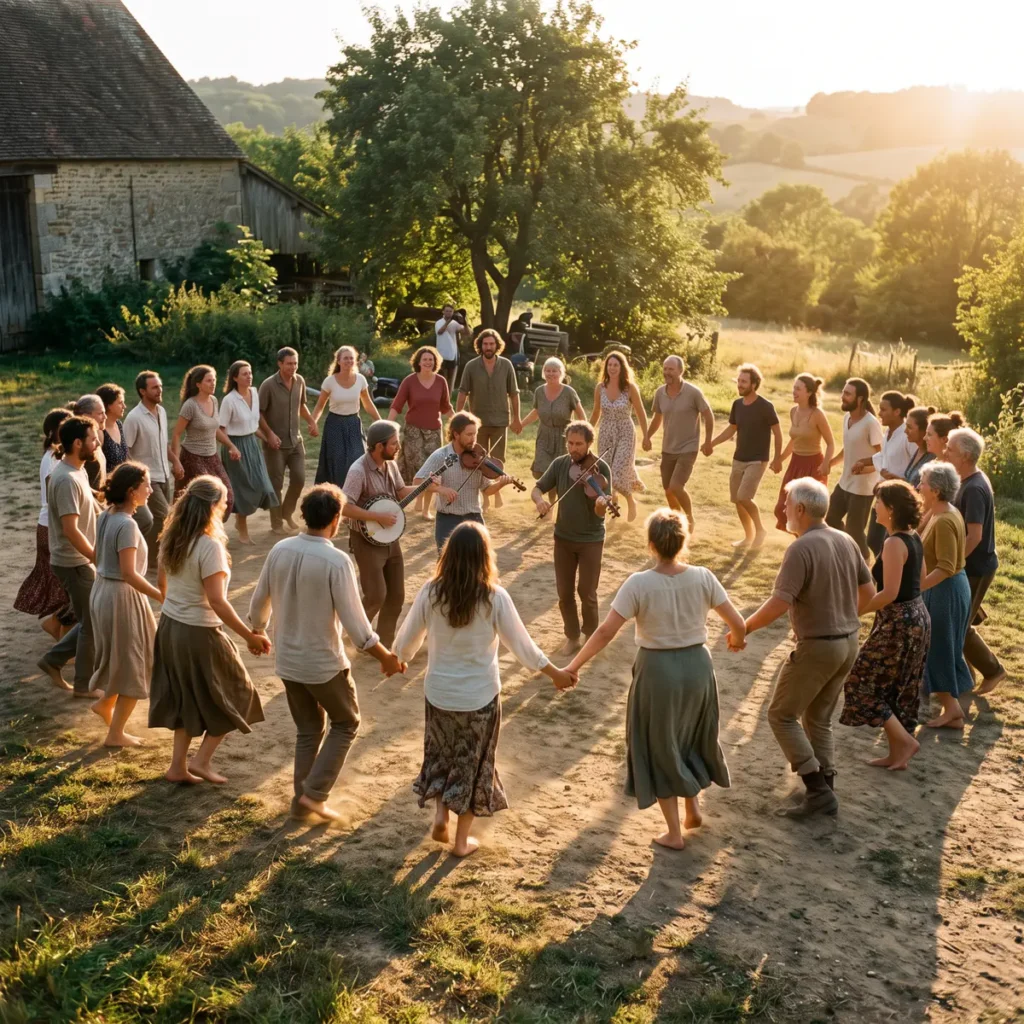
There is something deeply human in the image of people standing in a circle, hands joined.
No one is at the front. No one is at the back. There is no obvious beginning and no final person. Each person is connected to two others, and the shape exists only because everyone helps to hold it.
That is why the metaphor of the unbroken circle carries so much weight.
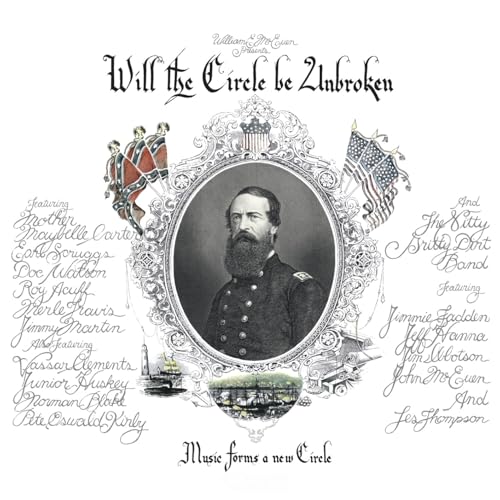
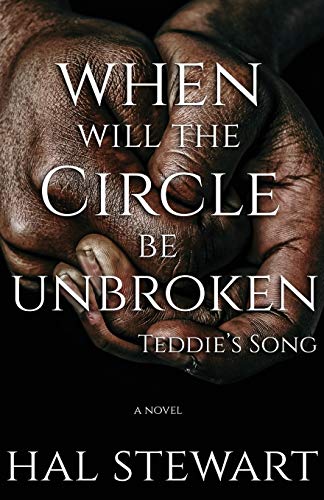
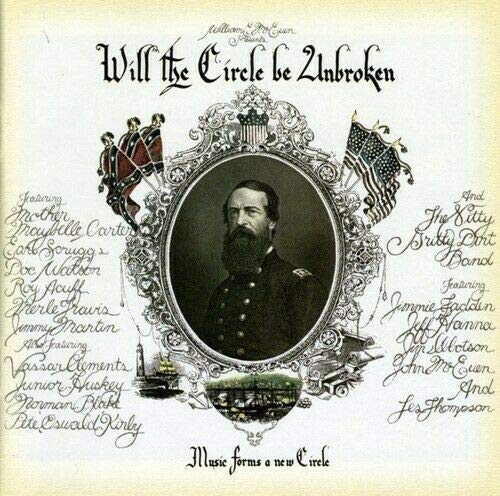
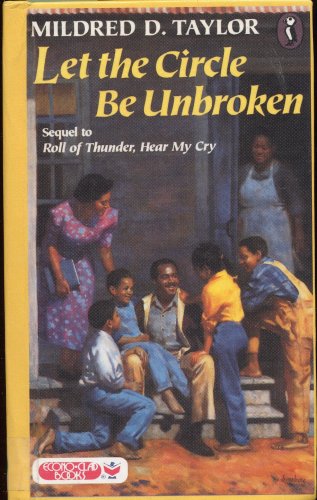
It appears in the old hymn Will the Circle Be Unbroken?, in generations of American folk and country music, and in stories such as Mildred D. Taylor’s Let the Circle Be Unbroken. But its meaning reaches far beyond a song or a novel.
It asks a question that every family, friendship, community and generation eventually has to answer:
When life pulls us apart, what will keep us connected?
An unbroken circle is not an untouched circle
Perhaps the first thing we need to understand is that an unbroken circle does not mean a life without rupture.
People leave.
Children grow up. Parents grow old. Friends move away. Relationships change. Families argue. Communities fracture. People disappoint one another. Some people die.
The circle is stretched again and again.
So the ideal cannot be that nothing changes and nobody leaves. That would make the circle a prison rather than a source of belonging.
The deeper meaning is different.
The circle remains unbroken when separation does not become abandonment.
We may live in different places, believe different things or follow completely different paths. What matters is whether there remains some thread between us saying:
You are still one of us.
That thread can become remarkably long.
But it does not have to break.
Belonging is something we do
We often speak about belonging as though it were something we either possess or don’t.
But perhaps belonging is better understood as a practice.
We belong because someone calls.
Because someone remembers.
Because somebody notices when a chair at the table is empty.
Because somebody asks what happened.
Because somebody goes looking.
Because somebody keeps the door open.
The unbroken circle is therefore not held together by sentiment alone. It survives through countless small acts of loyalty.
Families stay families because people keep choosing relationship.
Friendships endure because someone eventually sends the message
Communities survive because people continue showing up.
Traditions survive because one generation bothers to teach the next.
The circle is continuously being made.
There is no center
There is another beautiful feature of a circle.
There is no privileged position along its edge.
Stand anywhere and you are simultaneously holding someone and being held by someone else.
That offers a different picture of community from the one our culture often gives us.
We are frequently encouraged to imagine life as a ladder: climb higher, move ahead, become more important, distinguish yourself from everyone behind you.
A circle asks something else.
Not: How far ahead did you get?
But: Who are you still connected to?
That does not mean suppressing individuality. Quite the opposite. Everyone standing in the circle remains a separate person.
Unity does not require sameness.
The circle becomes strong precisely because different people occupy it.
What we inherit, we must also pass on
The song Will the Circle Be Unbroken? survived because people kept singing it.
One generation learned it from another. Voices changed. Instruments changed. Performers changed. The world surrounding the song changed.
But something travelled through time.
This may be one of the deepest meanings of the circle.
None of us begins from nothing.
We inherit language, stories, recipes, gestures, music, values, land, mistakes, wounds, jokes, photographs, habits and memories from people who existed before us.
Some of that inheritance deserves to be preserved.
Some deserves to be repaired.
Some deserves to end with us.
The responsibility of a generation is therefore not simply to preserve the circle exactly as it received it.
It is to ask: What should we carry forward?
And perhaps just as importantly:
What should we refuse to pass on?
An unbroken circle does not mean repeating every pattern.
Sometimes the most loving way to protect the circle is to break a pattern insideit.
Resentment can stop with us.
Prejudice can stop with us.
Silence can stop with us.
Cruelty disguised as tradition can stop with us.
The people remain connected even while the pattern changes.
The circle becomes most visible when someone falls out of it
We rarely notice belonging when everything is going well.
Its meaning becomes visible during difficulty.
Someone loses a job.
Someone becomes overwhelmed.
Someone makes a terrible decision.
Someone becomes lonely.
Someone leaves.
Someone fails.
Someone needs help.
Those moments reveal whether our circles are merely social arrangements or something deeper.
It is easy to stand together during the photograph.
The real question is what happens after somebody disappears from the picture.
Do we notice?
Do we judge from a distance?
Or do we move toward them?
An unbroken circle does not mean accepting every behavior or eliminating boundaries. Sometimes love requires distance. Sometimes safety requires separation.
But even boundaries can be drawn without denying another person’s humanity.
Connection does not always mean proximity.
We are all temporary keepers of the circle
Eventually, every one of us leaves the circle.
That is the melancholy hidden inside the old song.
We will not always be here.
Our parents will not always be here.
Our friends will not always be here.
The people whose voices fill our kitchens and gardens today will someday exist mainly in stories told by somebody else.
Which means our task is not to make ourselves permanent.
It is to make the connection durable enough to continue without us.
Teach the song.
Tell the story.
Plant the tree.
Write down the recipe.
Make the phone call.
Invite the stranger closer.
Repair what can still be repaired.
Forgive what can honestly be forgiven.
Say the thing that needs saying while everyone is still here to hear it.
Because perhaps the circle has never been about preventing loss.
Perhaps it is about ensuring that love, memory and belonging can survive it.
And that leaves us with the old question, still waiting for every generation:
Will the circle be unbroken?
The answer is not something we simply inherit.
It is something we make—every time we reach for the hand beside us.
Thank you for reading and sharing
In memory of my sweet mother…